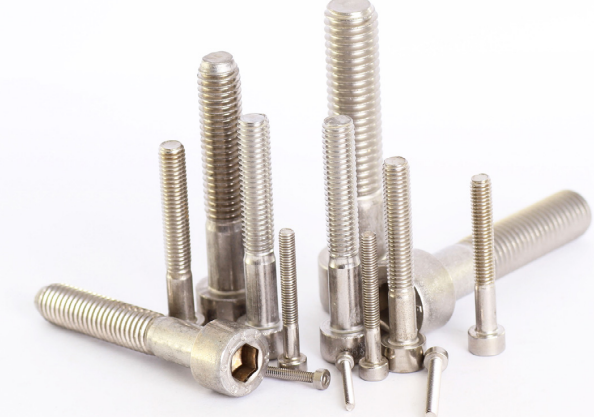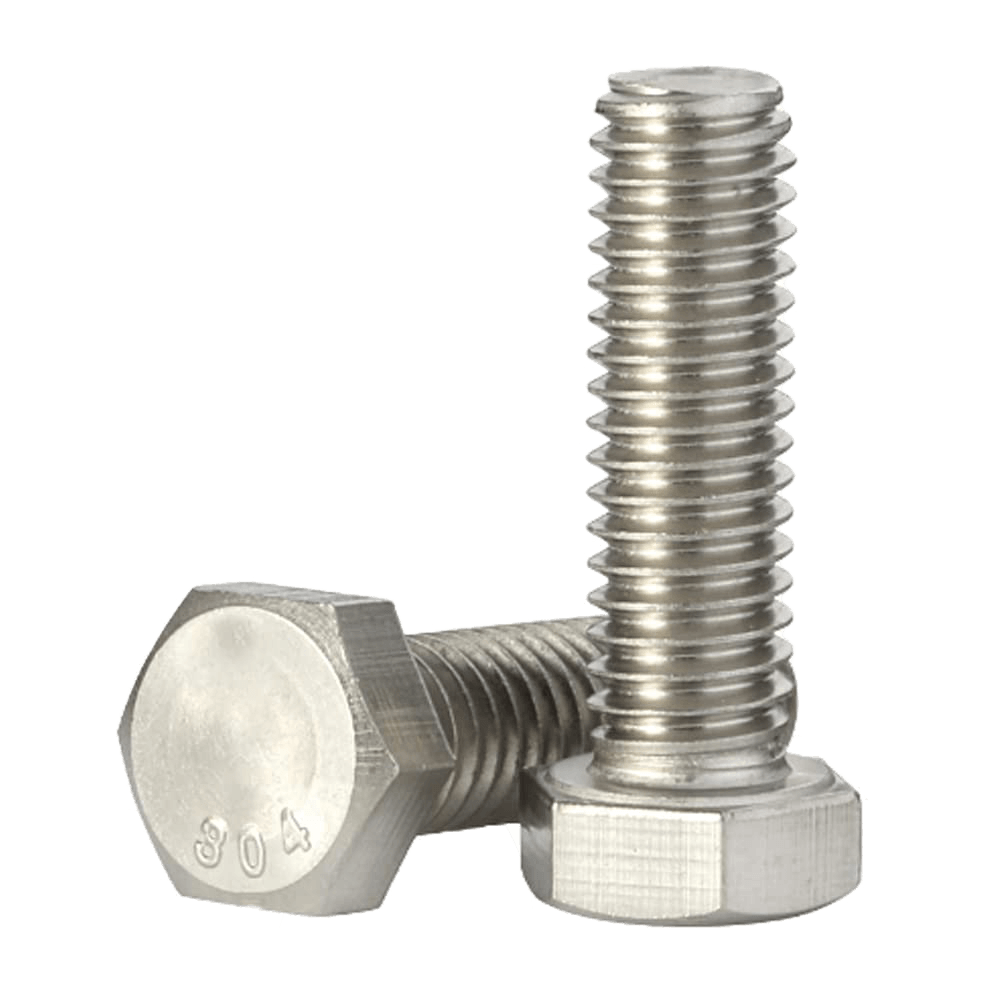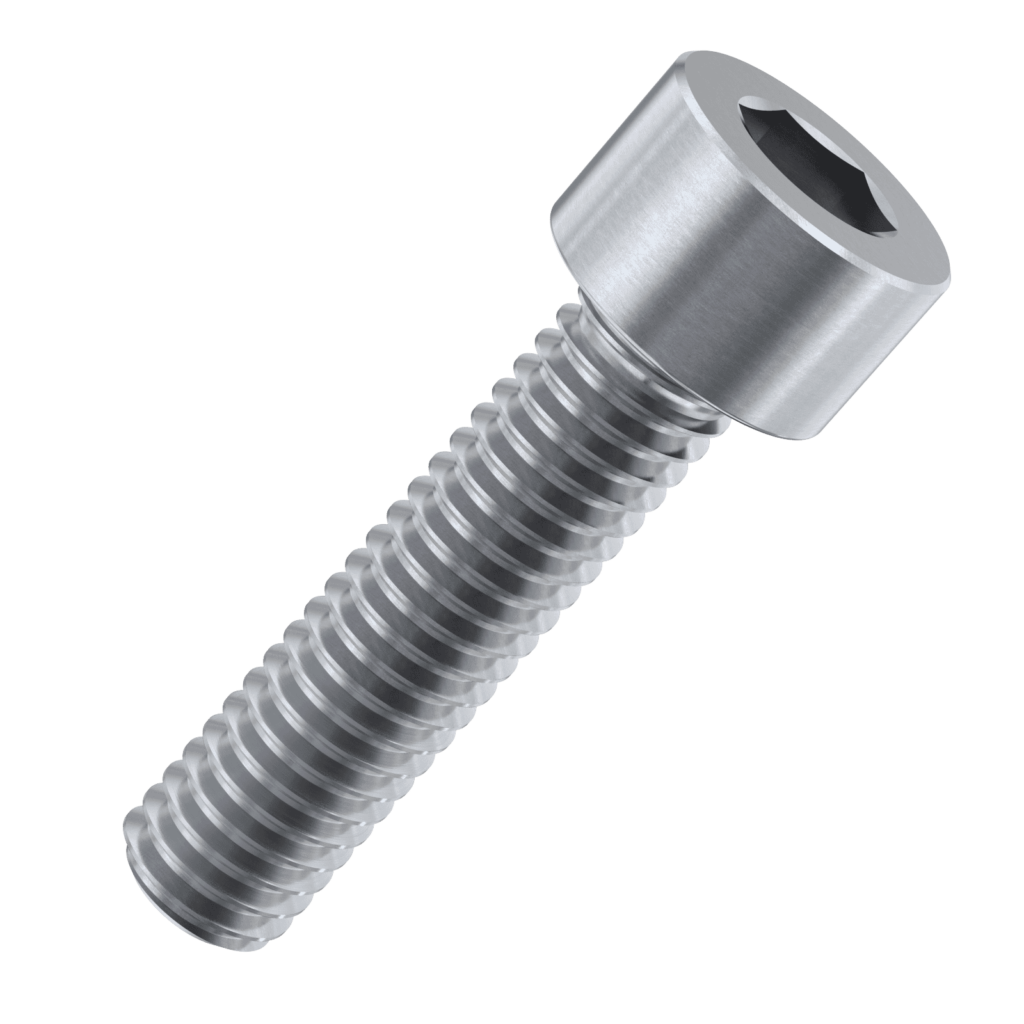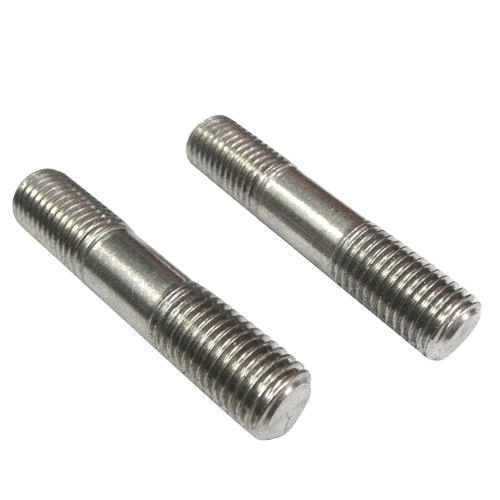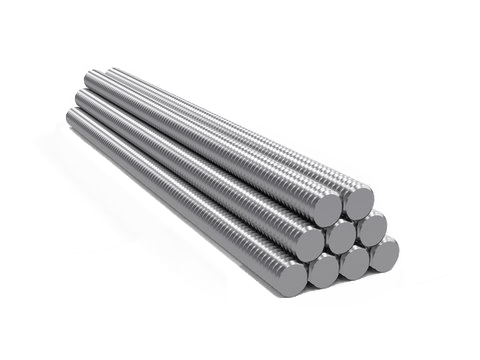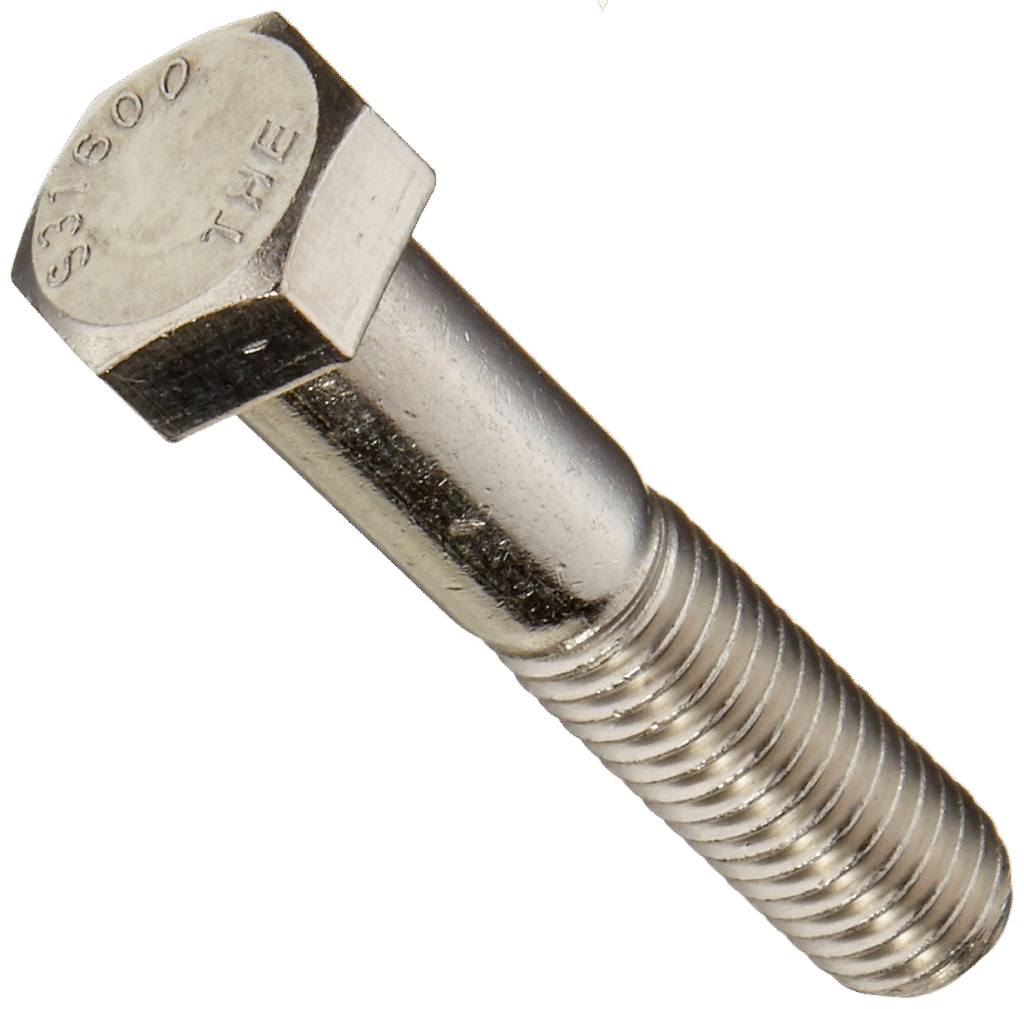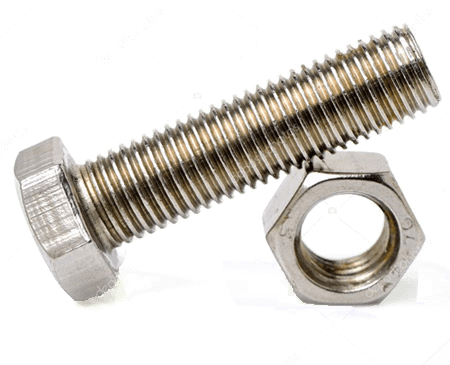
In industries, bolts and nuts are referred to as the main industrial fasteners, and they are used in very diverse forms with different grades, sizes, and mechanical and chemical properties.
Metal bolts and nuts, along with metal welding, are two methods used for connecting metal parts, plates, and structures together. Each of them has its own advantages and disadvantages; however, in general, the advantages of using bolts and nuts compared to metal welding are much more extensive. For example, bolts and nuts can be used to connect surfaces with different materials and different grades; for instance, steel metal surfaces can be connected to bronze surfaces. However, joining two surfaces of different materials by welding is not possible. However, to connect two surfaces using bolts and nuts, it is necessary to create surface holes inside the material. This leads to stress concentration at these points, which reduces the surface’s resistance against different types of stresses such as tensile, shear, and torsional stresses.